Sahiwal Ghee vs Gir Ghee
Both are A2. Most of the difference people describe comes from how the ghee was made, not which cow it came from.
Sahiwal and Gir are both indigenous Indian breeds and both give A2 milk. On protein type there is nothing to choose between them. The differences that do exist, in fat content and in how the animals handle climate, are smaller than the difference between a ghee churned from curd and one spun from cream.
Almost every brand in this category leads with Gir. We keep Sahiwal. Here is the honest comparison.
The two breeds
Gir comes from the Kathiawar peninsula in Gujarat. Distinctive domed forehead, long drooping ears, usually red and white. It has travelled well, and there are large Gir herds in Brazil, where the breed was exported and improved for yield.
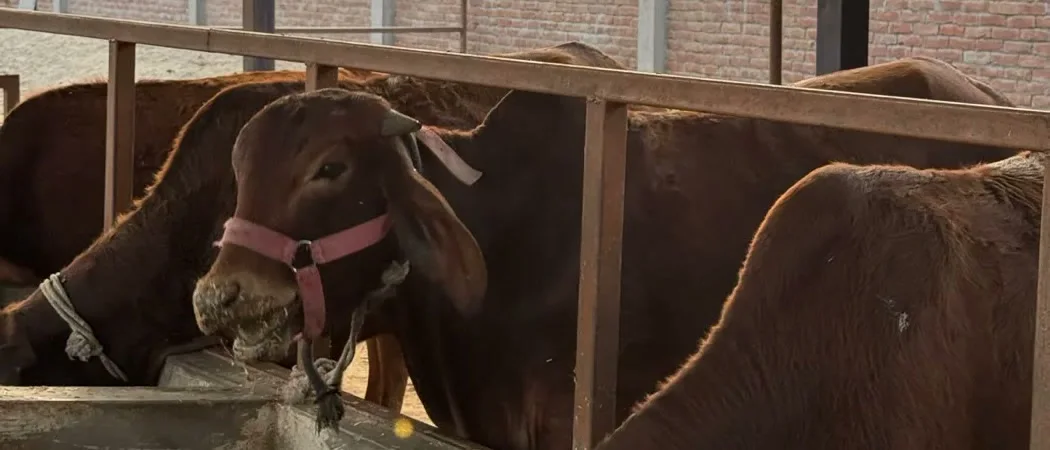
Sahiwal comes from the Sahiwal district in the Punjab region, now in Pakistan, and is kept across Punjab, Haryana, UP and Rajasthan. Reddish brown, loose skin, heavy dewlap. It is generally considered the best dairy breed among Indian zebu cattle for milk yield.
Both are hardy in Indian heat, both resist ticks and local disease better than European breeds, and both give A2 milk.
Milk and fat
Sahiwal typically gives more milk than Gir over a lactation. Gir milk often tests slightly higher in fat percentage.
Those two facts roughly cancel out when you are making ghee, because what matters is total butterfat, not concentration. A herd with better feed and better management will beat a herd of the other breed with worse feed and worse management, every time.
Anyone telling you one breed makes definitively better ghee is selling the breed they happen to own. We own Sahiwal, so treat this page with the same suspicion.
What actually shows up in the jar
Four things, in rough order of how much they matter.
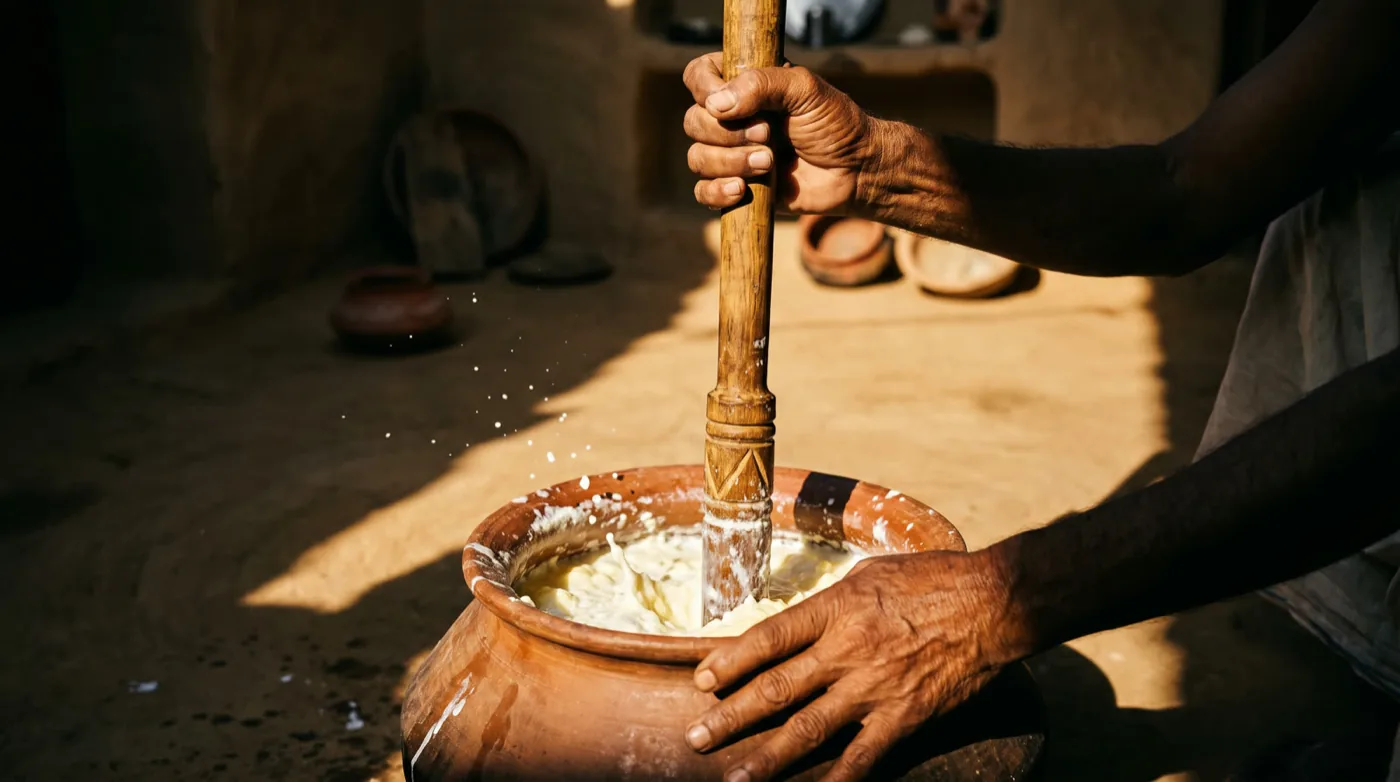
The method. Curd-churned bilona ghee tastes and smells different from cream-separated ghee, and the difference is obvious side by side.
The feed. What the cows eat in the weeks before milking changes the fat, and therefore the flavour. Green fodder in the season shows up as a deeper yellow.
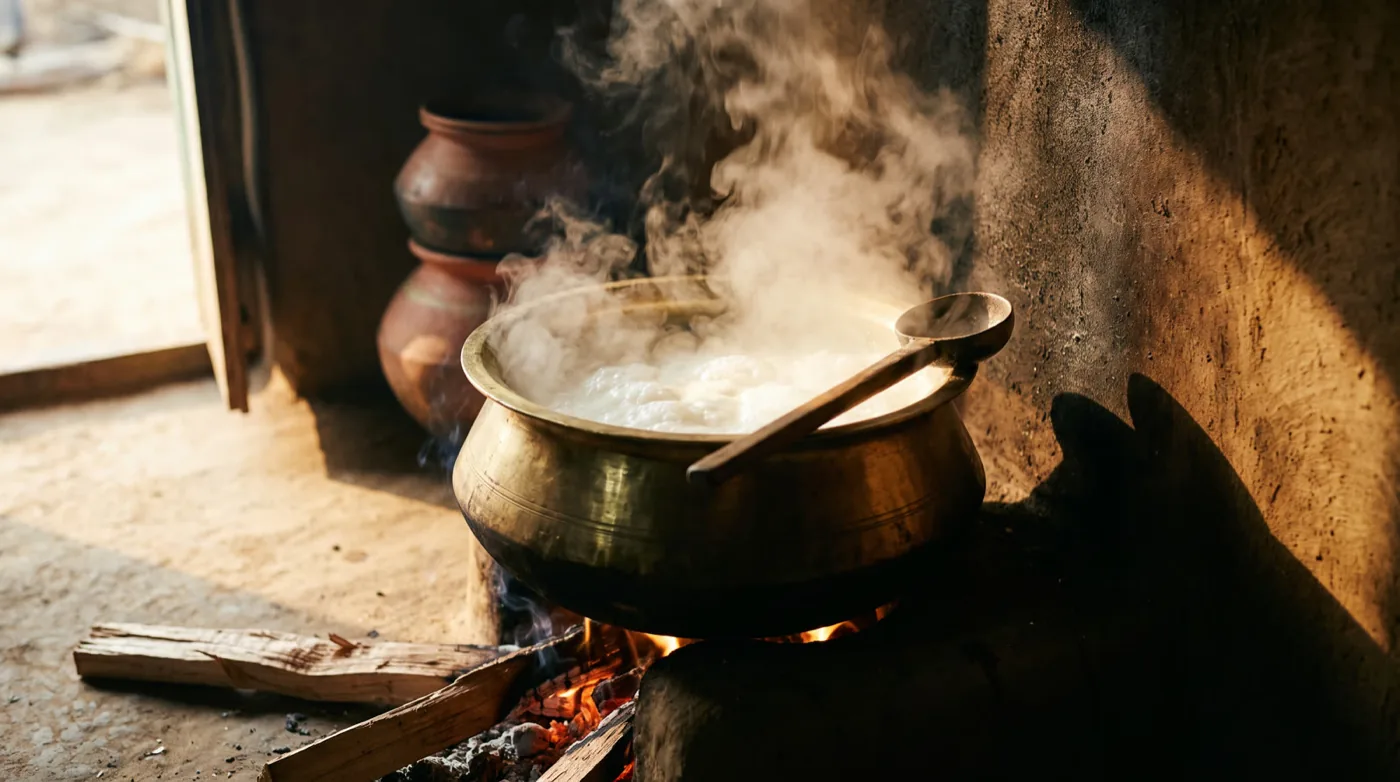
The cook. How slowly the butter is taken down, and on what fuel, decides the grain and the roasted note.
The breed. Real, but last.
If a seller can only tell you the breed, they are answering the least important question.
Why we keep Sahiwal
Partly practical. Sahiwal suits the climate in our part of Uttar Pradesh and it is the breed our region has kept for generations. Partly because we started with the animals we could look after properly rather than the ones with the better marketing story.
Our cows are our own. We do not buy milk from other farms and we do not job out the churning. When something goes wrong with a batch, there is nobody else to blame, which concentrates the mind.
The Brazil detour
Gir was exported to Brazil in the last century and bred there for yield. Some Indian herds have since imported Brazilian Gir semen to improve their own milk output.
There is nothing wrong with that. It is worth knowing, though, when a brand sells Gir as the pure ancestral Indian breed while the animals carry a good deal of Brazilian selective breeding. The story on the label is usually simpler than the pedigree.
Herd management matters more than the label
How many cows to a person. Whether the calves get the first milk. What the animals eat in the dry months. Whether the shed is cleaned twice a day. Whether the cows go out.
None of this appears on a jar, and all of it changes the milk. A small herd looked after closely will beat a large one of the same breed run carelessly, and no certification currently captures that.
The only real check available to you is whether the farm will tell you these things when asked, and whether the answers stay consistent.
Why Gir dominates the marketing
Gujarat built an organised dairy sector early, and the Gir story travelled with it. The breed photographs well, it has a recognisable silhouette, and once a few brands had established Gir as the premium signal, the rest followed. Marketing categories form like that, by accumulation rather than by evidence.
Sahiwal is the more common dairy animal across the northern belt and gets less attention for it. That suits us. We are not trying to win the breed argument. We are trying to make it beside the point.
What we would want to know as a buyer
Whether the herd belongs to the seller or the milk is collected. How far the milk travels between the udder and the churn, because time and heat both matter. What happens to a batch that tests badly. Whether the price moves when input costs move, or whether it is set by what the category will bear.
If you are comparing brands
Ask which farm. Ask whether the milk is bought in or their own. Ask curd or cream. Ask for the lab report as a document, not a badge.
A Gir ghee from a farm that answers all four well is better than a Sahiwal ghee from one that answers none. The breed line on the label is the easiest thing to print and the least informative thing on the jar.
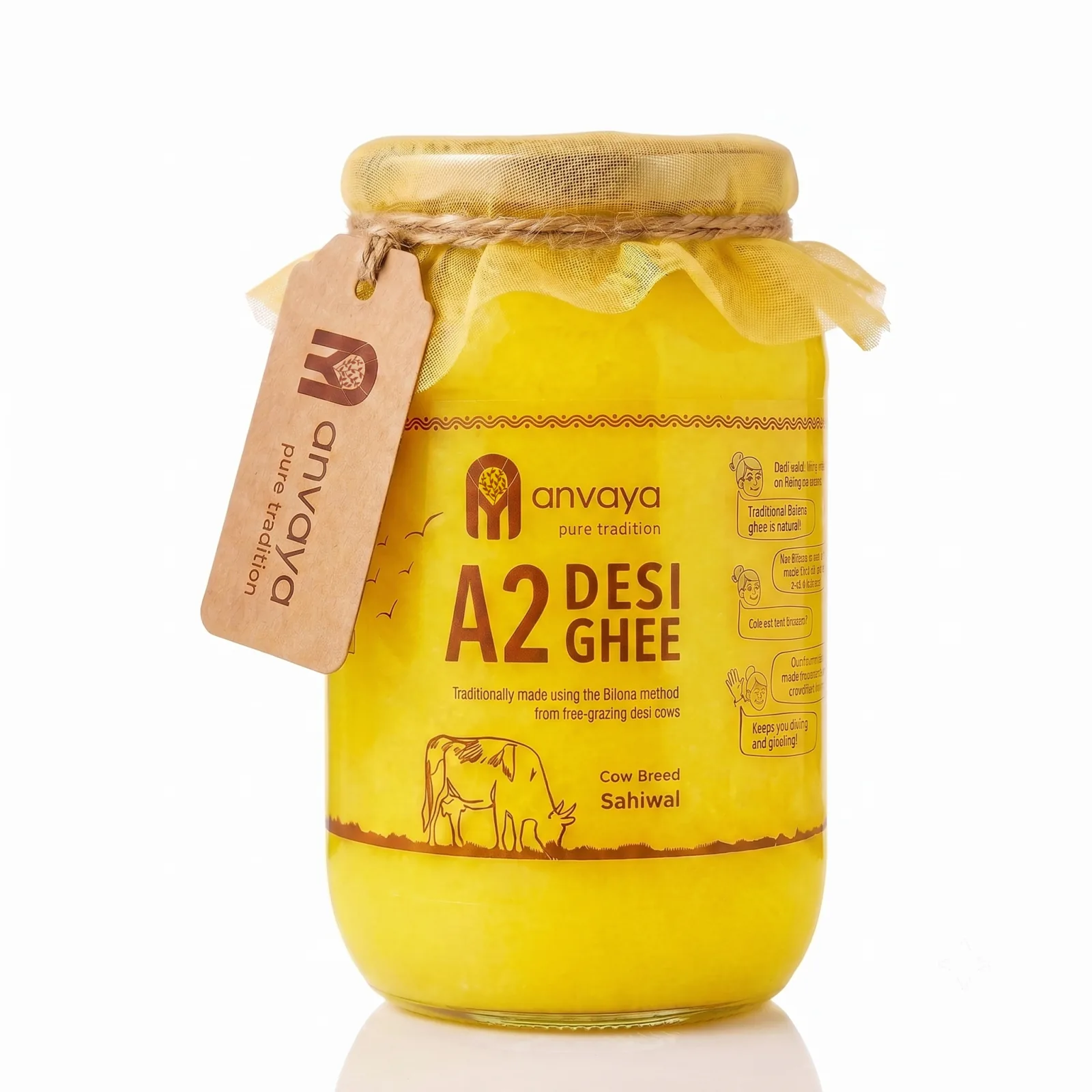
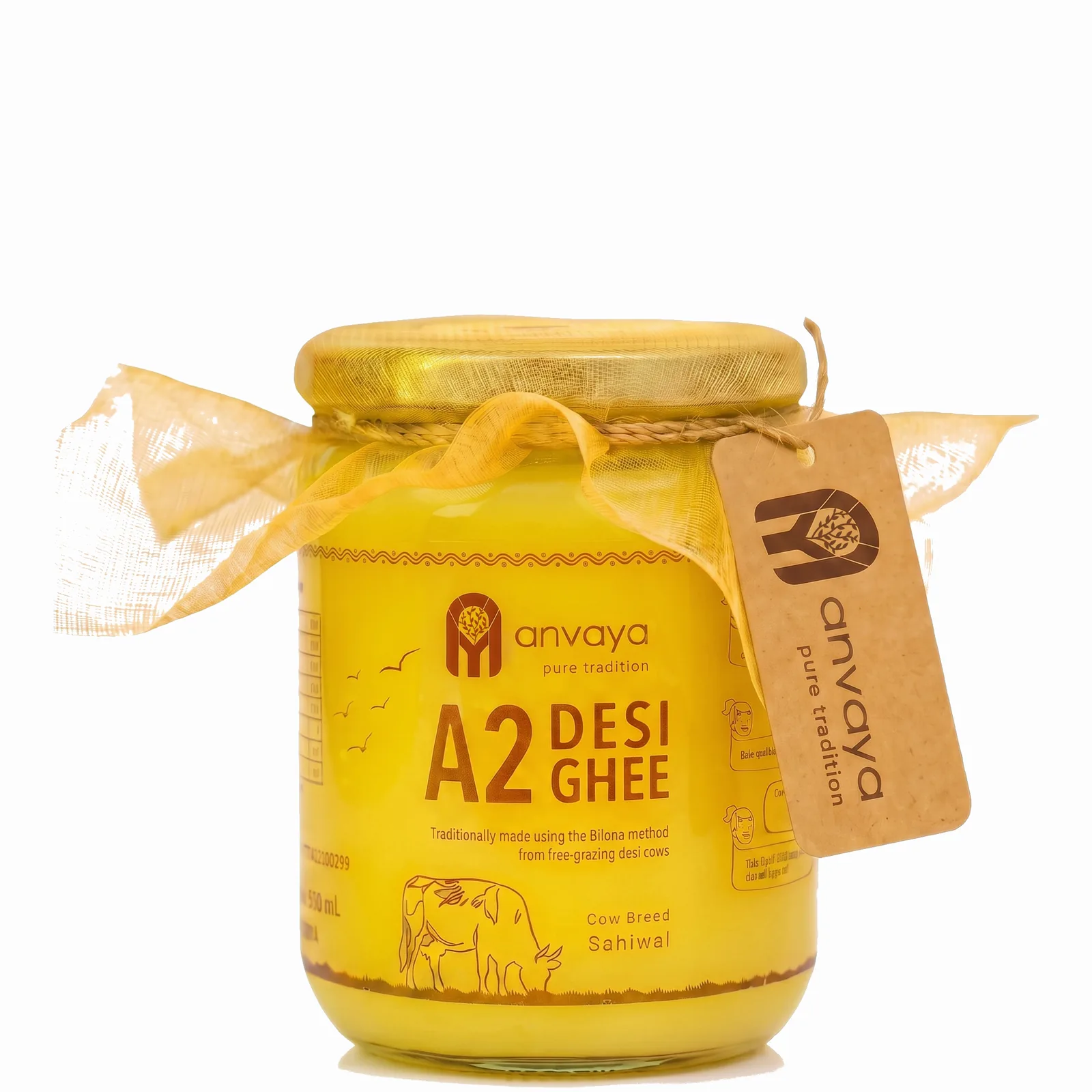
Ours is Sahiwal, our own herd, curd-churned in a wooden bilona, cooked on wood. The reports are on the lab reports page, and you can read about the process on the ghee page.
Related: A2 ghee vs regular ghee.
Umesh Pratap Verma
Founder, Anvayapure
Founder of Anvayapure. Custodian of Ma Sumitra Devi Goshala in Uttar Pradesh, and the man who insisted on Sahiwal Bilona over shortcuts.